Understanding the Observable Universe
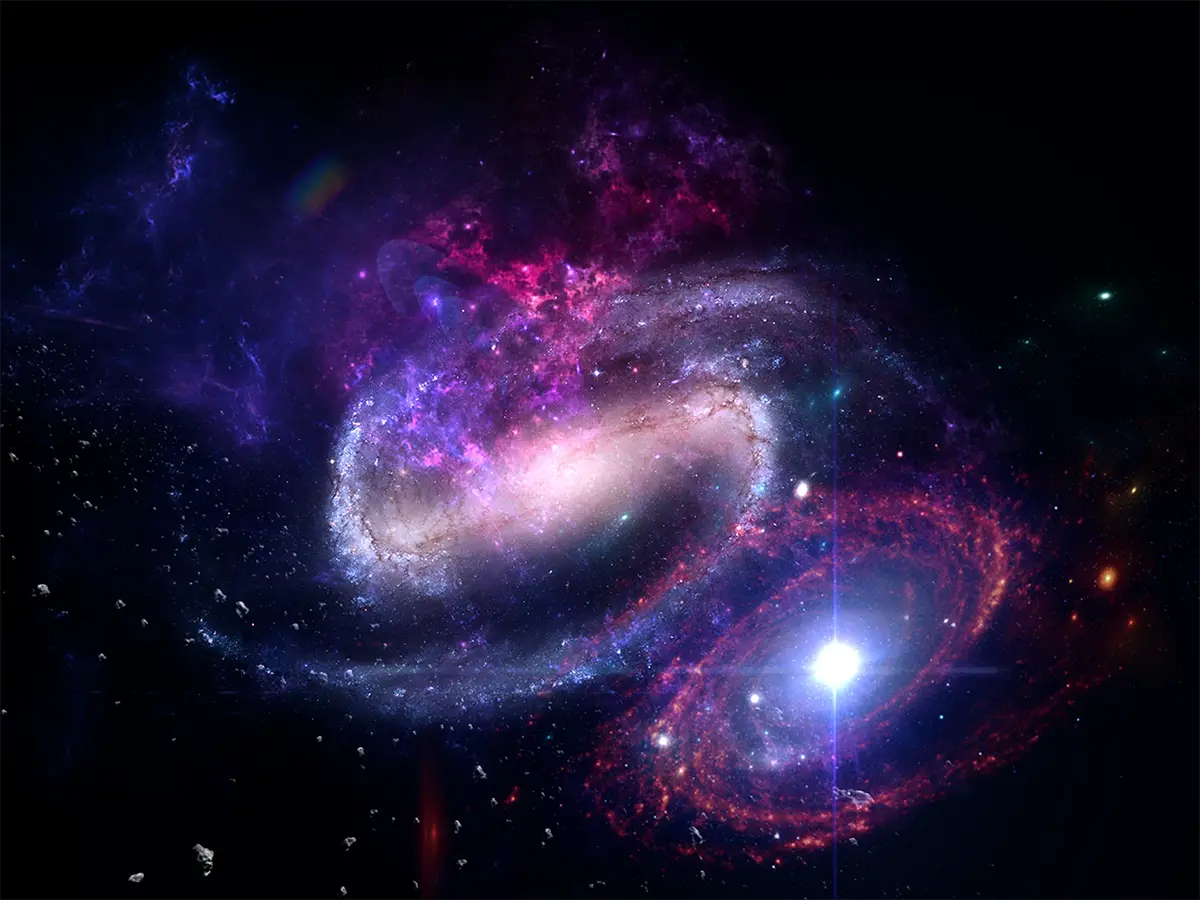
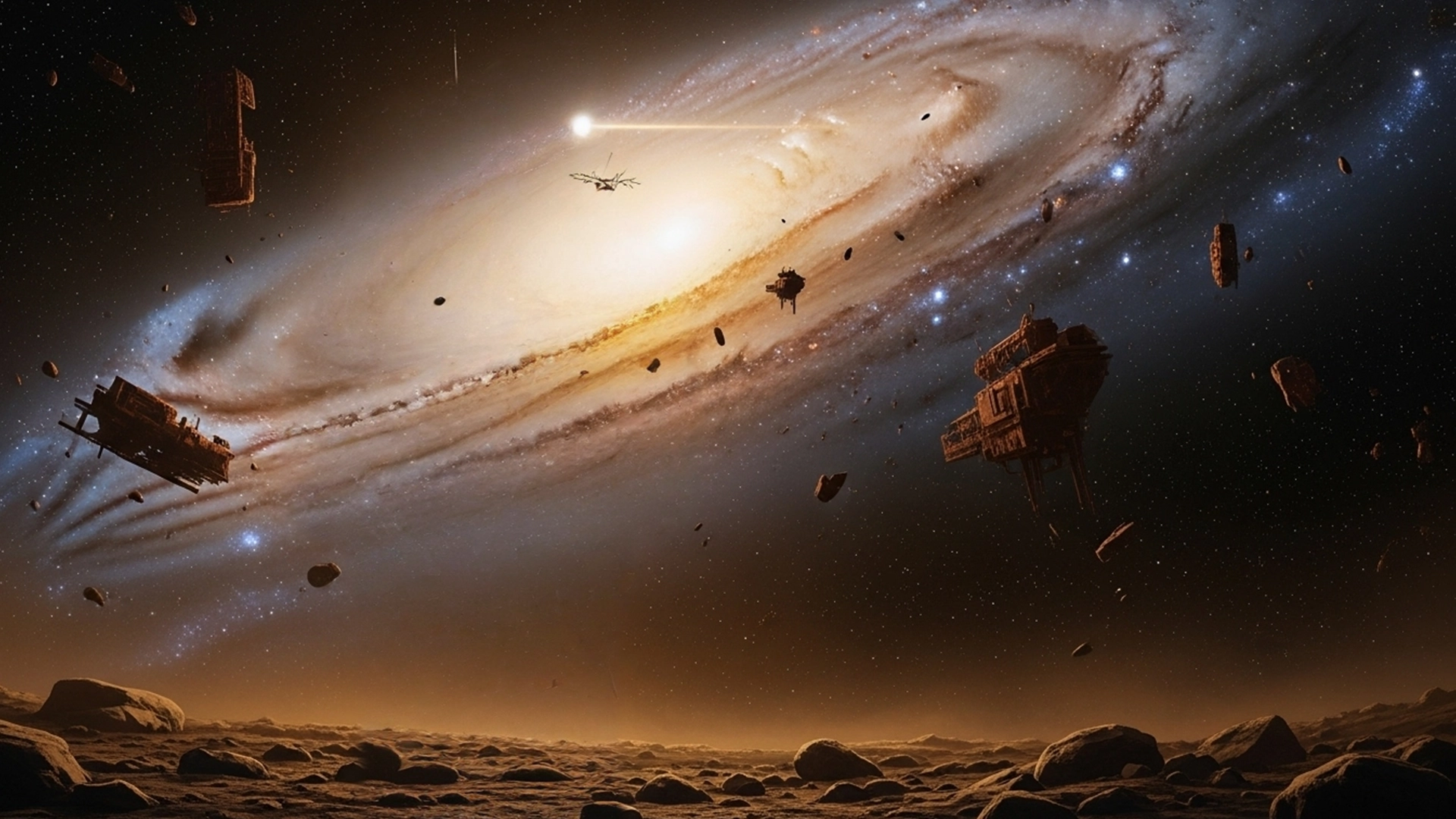
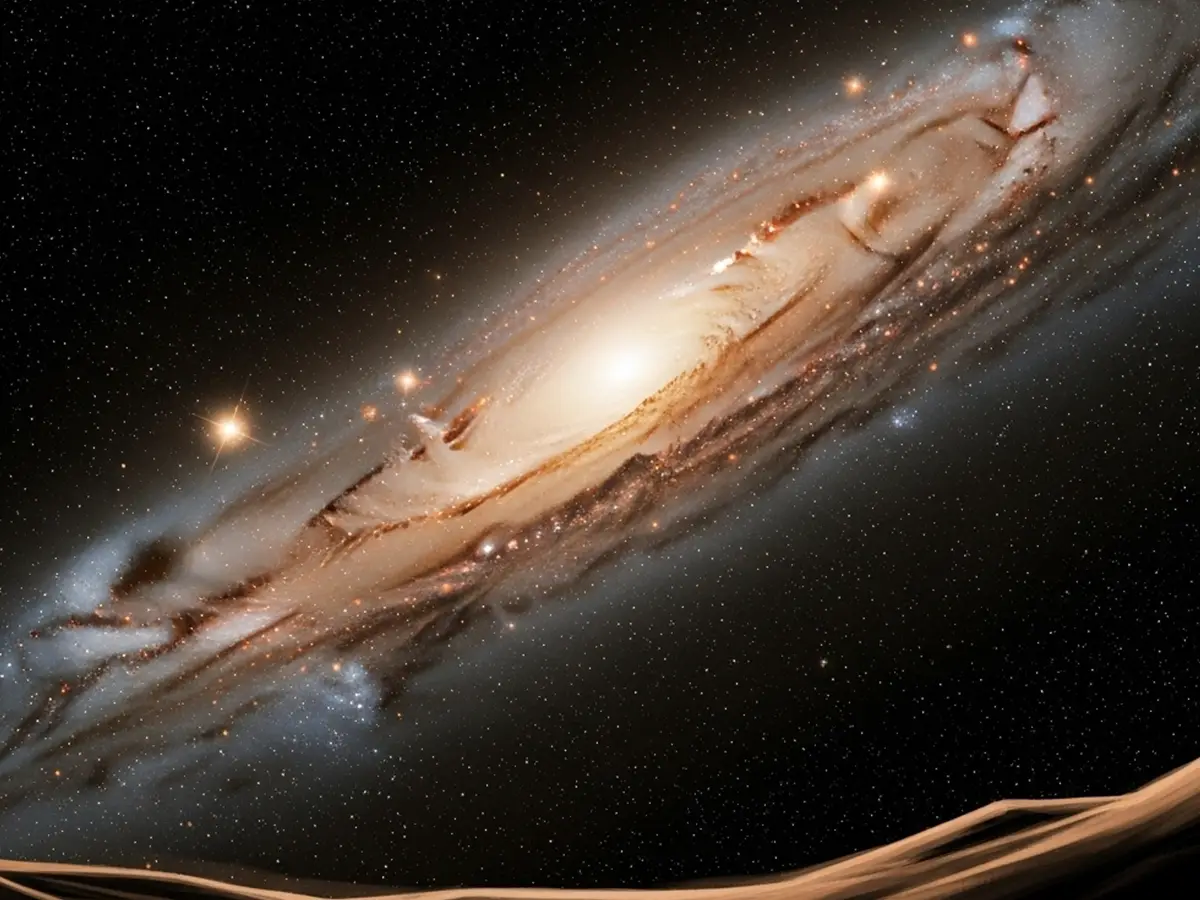
The observable universe is the portion of the entire universe that we can theoretically see or detect from Earth using light and other signals that have had enough time to reach us since the Big Bang. It spans roughly 93 billion light-years in diameter, not because the universe is that old, but because space itself has been expanding over time. Everything beyond this limit remains hidden from direct observation, not necessarily because it does not exist, but because the universe’s expansion prevents its light from ever reaching us.
Why the Universe Has an Edge
The Speed of Light and Cosmic Limits
The universe does not have a physical edge like a wall or boundary. Instead, the “edge” refers to a limit imposed by physics. Light travels at a finite speed, and the universe has a finite age. As a result, there are regions so distant that their light has not yet had time to arrive. This creates a horizon beyond which we cannot see. Life Beyond Earth is one of the most serious scientific questions humanity has ever asked. It is not limited to science fiction or speculation but is rooted in astronomy, biology, chemistry, and planetary science. Humans have discovered that life on Earth can survive in environments once thought impossible, from deep ocean vents to frozen polar regions. At the same time, modern telescopes have revealed that planets are common throughout the universe. These discoveries together suggest that the conditions for life may not be unique to Earth, even if life itself is rare or difficult to detect.
What Scientists Mean by Life
Before searching for life elsewhere, scientists must define what they are looking for.
Biological Criteria for Life
Life as we understand it is characterized by metabolism, growth, reproduction, and the ability to respond to the environment. On Earth, all known life is based on carbon chemistry and liquid water, making these features central to current searches.
Limits of Earth-Based Definitions
While Earth-based life guides scientific searches, researchers remain open to the possibility that life elsewhere could use different chemistry. However, without evidence of alternative life systems, scientists focus on what can be reliably studied.
Why Earth Supports Life
Understanding why life exists on Earth helps guide the search elsewhere.
Liquid Water
Water acts as a solvent for chemical reactions. Earth’s distance from the Sun allows water to remain liquid on its surface for long periods.
Stable Energy Sources
Life requires energy. On Earth, sunlight, chemical reactions, and geothermal heat provide continuous energy flows.
Protective Atmosphere
Earth’s atmosphere regulates temperature, protects against radiation, and enables complex chemistry. These features work together to maintain long-term habitability.
The Habitable Zone Concept
The habitable zone is a guiding idea in the search for life.
Definition of the Habitable Zone
The habitable zone refers to the range of distances from a star where liquid water could exist on a planet’s surface.
Limitations of the Concept
A planet in the habitable zone is not automatically habitable. Atmospheric composition, planetary mass, magnetic fields, and geological activity all play major roles.
Discovery of Exoplanets
The discovery of planets around other stars transformed the search for life.
How Exoplanets Are Detected
Scientists detect exoplanets by observing changes in starlight caused by planetary transits or gravitational motion. Thousands of exoplanets have now been confirmed.
Diversity of Planetary Systems
Exoplanets show incredible diversity, including rocky planets, gas giants, ocean worlds, and planets orbiting multiple stars. This diversity expands the range of environments where life might exist.
Searching for Biosignatures
Because direct detection of life is difficult, scientists look for indirect signs.
Atmospheric Signatures
Certain gases, such as oxygen, methane, and carbon dioxide, can indicate biological activity if found together in specific ratios.
Surface and Chemical Indicators
Changes in surface reflectivity or unusual chemical imbalances may also hint at biological processes.
Life in the Solar System
The search for life does not begin beyond the Solar System.
Mars
Mars shows evidence of ancient water, making it a key target for studying past habitability.
Icy Moons
Moons such as Europa and Enceladus contain subsurface oceans beneath icy shells. These environments may support life independent of sunlight.
Titan
Titan’s complex organic chemistry suggests that prebiotic processes can occur in environments very different from Earth.
Extreme Life on Earth
Life on Earth thrives in extreme environments.
Extremophiles
Organisms known as extremophiles survive high temperatures, intense pressure, radiation, and chemical extremes.
Implications for Alien Life
The resilience of extremophiles expands the range of environments considered potentially habitable beyond Earth-like conditions.
Communication and Technological Life
Another dimension of the search involves intelligent life.
SETI and Radio Signals
Scientists monitor the sky for artificial radio signals that could indicate technological civilizations.
Challenges of Detection
Technological signals may be brief, rare, or use methods humans do not yet understand, making detection difficult.
The Scale of the Universe
The size of the universe strongly influences probability.
Billions of Galaxies
With hundreds of billions of galaxies, each containing billions of stars, the number of potentially habitable planets may be enormous.
Time and Evolution
Life may arise at different times and persist for limited durations, reducing overlap between civilizations.
Scientific Uncertainty and Caution
Despite optimism, science proceeds carefully.
Lack of Direct Evidence
No confirmed evidence of extraterrestrial life currently exists.
Importance of Verification
Extraordinary claims require strong evidence, and false detections must be ruled out through repeated observation.
What Future Missions Will Do
Upcoming missions will improve detection capabilities.
Advanced Space Telescopes
New telescopes will analyze exoplanet atmospheres with greater precision.
Planetary Exploration
Robotic missions will continue exploring Mars, icy moons, and other Solar System bodies.
Ethical and Scientific Implications
Discovering life beyond Earth would have profound consequences.
Redefining Life’s Place
Such a discovery would reshape biology and our understanding of life’s origins.
Responsibility in Exploration
Protecting other worlds from contamination is essential for scientific integrity.
Life Beyond Earth remains an open scientific question grounded in observation, experimentation, and careful reasoning. Each discovery about planets, chemistry, and biology refines the search and narrows the possibilities. Whether life is common or rare, studying the universe through this lens deepens our understanding of both the cosmos and life on Earth itself.
References:
https://science.nasa.gov/universe/
https://map.gsfc.nasa.gov/universe/
https://www.esa.int/Science_Exploration/Space_Science